What is embedded accounting infrastructure?
Embedded accounting infrastructure is a system of record built into a software product: a programmable, GAAP-grade double-entry ledger — with workflows, reporting, permissions, and audit history — that a platform embeds and operates as a native capability, instead of sending users to a separate accounting app.
How is embedded accounting infrastructure different from an accounting API?
An "accounting API" usually means an aggregator that reads and syncs data from accounting systems your customers already use, like QuickBooks or Xero. Embedded accounting infrastructure is the accounting system itself — you own and write the ledger, produce financial statements, and embed it under your own brand.
What's the difference between embedded accounting and embedded finance?
Embedded finance moves and stores money — banking, cards, and payments inside your product. Embedded accounting keeps the books behind that activity: the double-entry ledger, journals, and financial statements. They're complementary layers, not the same thing.
Is Paprel production-ready today?
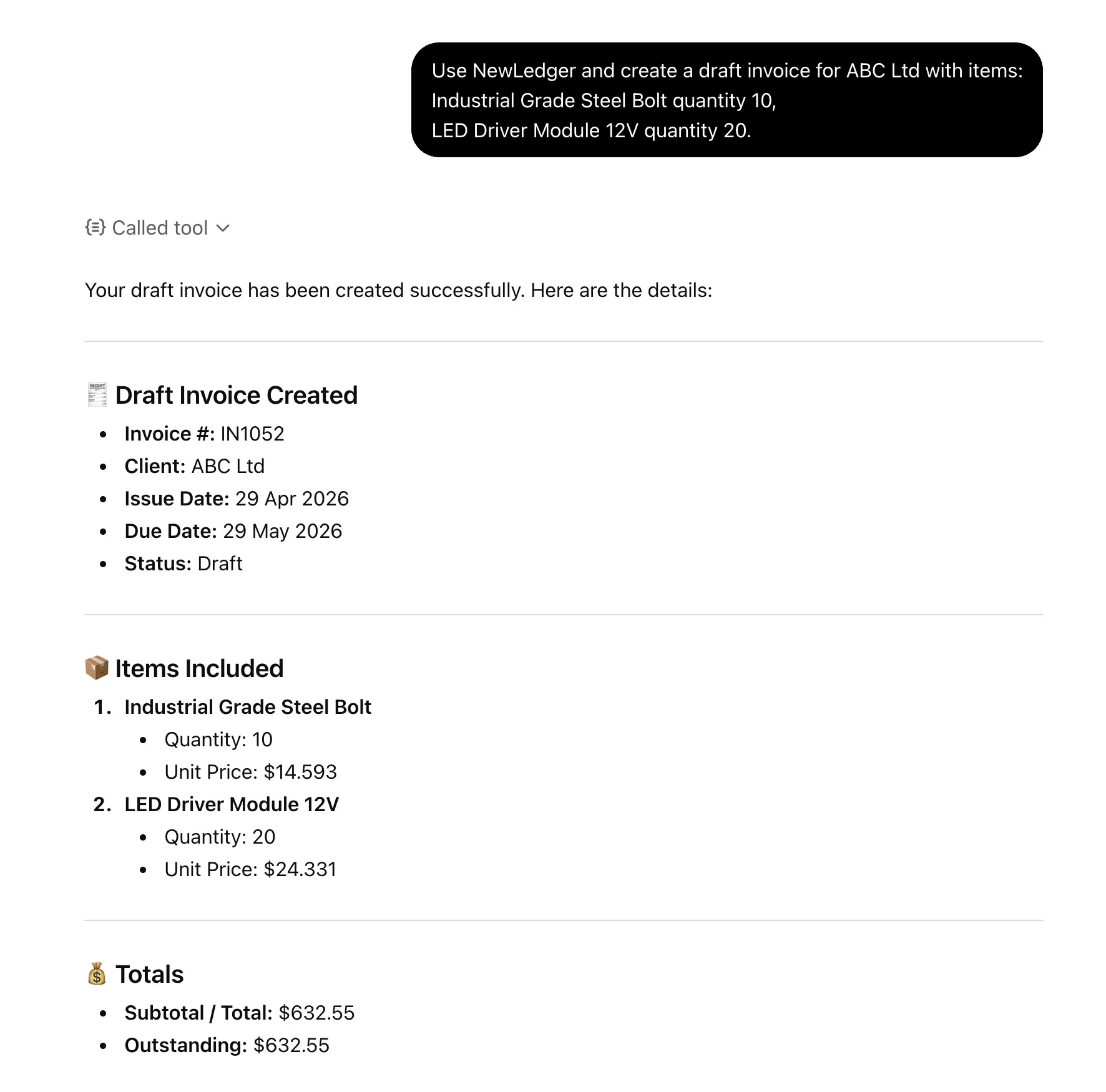
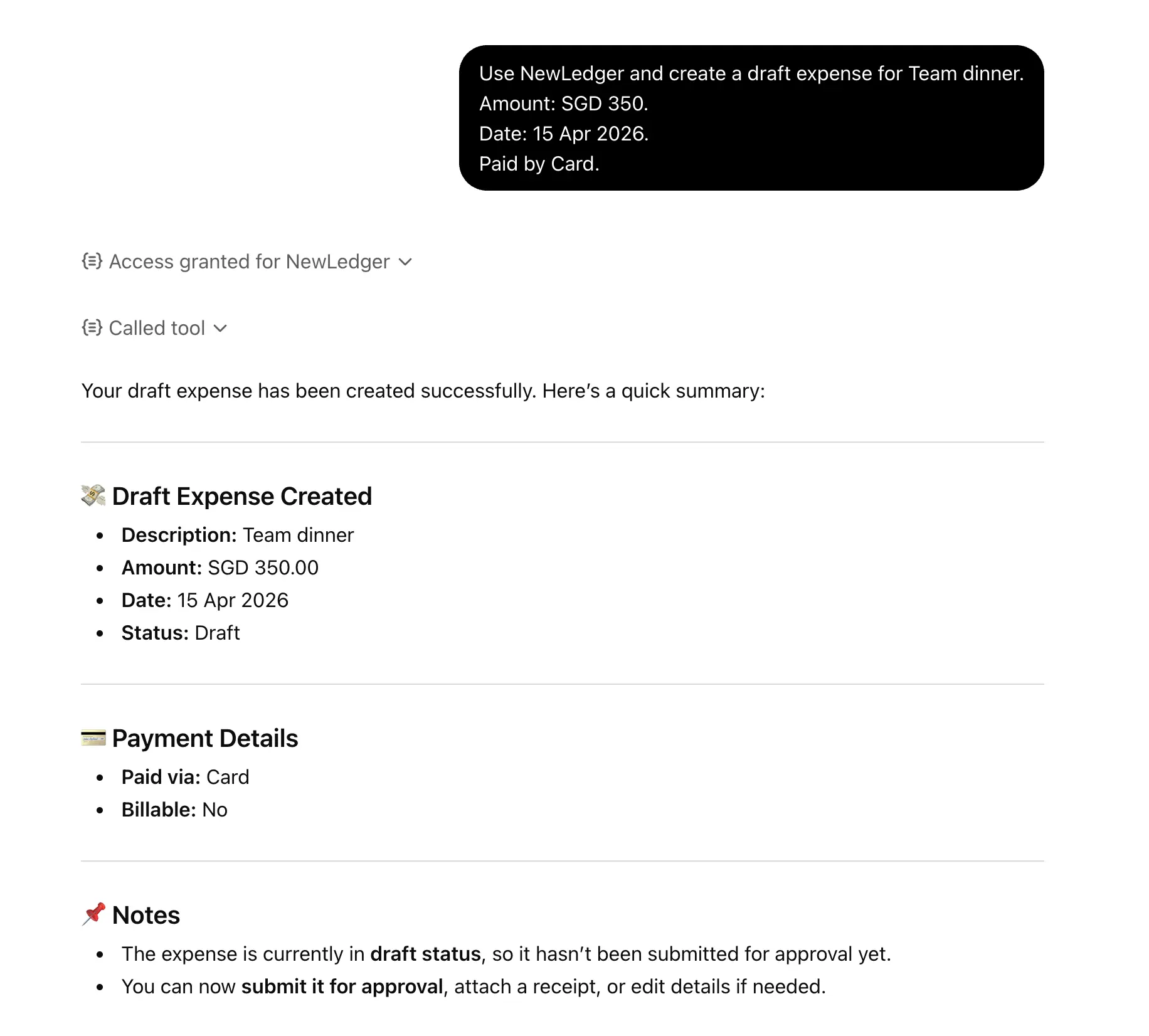
Yes — Paprel powers NewLedger, our own production accounting product, today. See the security page for assurance scope; no certification delivery date is promised.
Does Paprel lock my data in?
No. Every journal, audit entry, and report is exportable as CSV or JSON. The wire format is the same as the OpenAPI spec, so you can rebuild your books anywhere.
How does Paprel handle AI agents and MCP?
Paprel exposes a Model Context Protocol surface with scoped tokens. Agents only see what their role can touch. Agent writes and approval requirements depend on the granted scopes and workflow configuration. Review the applicable activity history.
What regions does Paprel run in?
Confirm hosting, backup, support and onward processing locations for the agreed deployment.
How long does integration take?
Most teams post their first journal within minutes of getting a sandbox token. Full production rollout typically lands in 2 to 4 weeks, depending on workflow scope.
What languages do the SDKs support?
Paprel publishes a single OpenAPI 3.1 spec — generate SDKs in TypeScript, Python, Go, Ruby, or any language with an OpenAPI generator. Signed webhooks and MCP work the same regardless of client language.
How does Paprel handle authentication?
Paprel implements standard OAuth 2.0 and OAuth 2.1 authorization flows, including PKCE for public clients. Tokens are tenant-scoped with per-route grants. The same auth model powers REST, MCP, and machine-to-machine clients.